HOME
Aesthetic vs Authentic Home: What Really Makes a Space Feel Like Home
By Riley Rae
Published on February 7, 2026
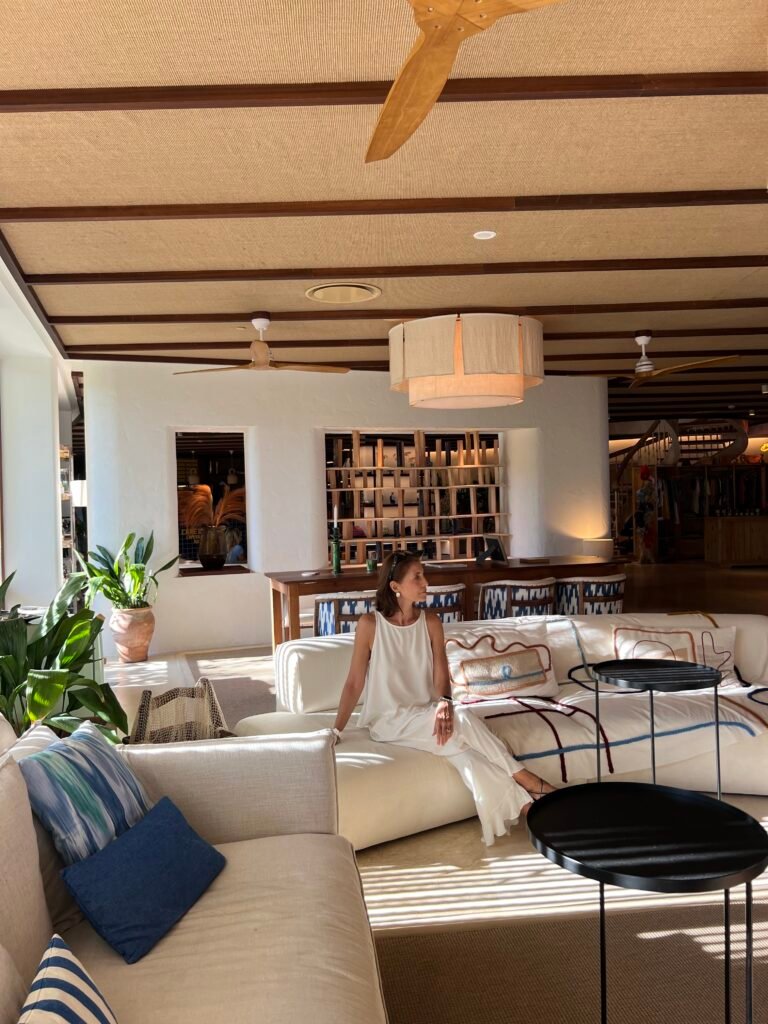
credits to: Natalia Grabarczyk / Dupe
The Quiet Shift We’re All Experiencing
For years, we’ve been taught what a “beautiful home” should look like. Neutral colors. Clean lines. Perfectly styled shelves. Spaces that photograph well and stay untouched, as if no one actually lives there.
An aesthetic home and an authentic home are often confused—but they are not the same thing. One is built to be seen. The other is built to be lived in.
And lately, more people are realizing that the homes they admired online don’t always feel good once the screen disappears.
What an Aesthetic Home Is Really About
An aesthetic home is usually built with a visual outcome in mind. It follows trends, draws inspiration from Pinterest boards and Instagram feeds, and aims for a polished, cohesive look. Colors are often uniform, furniture is carefully coordinated, and surfaces are kept clear to maintain a sense of calm and order. These homes are beautiful to look at and photograph well, which is why they dominate design culture today.
But that beauty often comes with quiet rules. You hesitate to move things out of place. You worry about clutter, even when that clutter is simply evidence of living. Practicality sometimes takes a back seat to appearance, and comfort can become secondary to maintaining a “look.” An aesthetic home can feel impressive, but it may also feel like you’re constantly maintaining an image rather than settling into your life.
What Makes a Home Authentic
An authentic home grows naturally alongside the people who live in it. It reflects real habits, personal history, and emotional attachment rather than a fixed visual standard. Furniture doesn’t have to match perfectly—it just has to work. A worn sofa stays because it’s comfortable. A table remains scratched because it has hosted years of conversations, meals, and laughter. Objects aren’t chosen for how they photograph, but for what they mean.
In an authentic home, signs of daily life aren’t flaws—they’re proof of belonging. Books stack up where they’re read, not where they’re styled. Art tells stories instead of following trends. The space feels flexible, forgiving, and deeply human. Comfort and functionality lead the way, and beauty emerges naturally from that honesty.
The Emotional Difference You Can Feel
The most important difference between an aesthetic home and an authentic one isn’t visual—it’s emotional. An aesthetic home often feels curated for others, even if subconsciously. An authentic home feels curated for you. It allows you to exhale when you walk in. You don’t feel pressure to keep it perfect, because perfection was never the goal.
Authenticity creates emotional safety. It lets your home evolve as you do, without guilt or constant redesign. Over time, the space becomes layered with memories, routines, and meaning. It doesn’t just house your life—it reflects it.
Why an Authentic Home Feels More Like “Yours”
When your home is authentic, it stops trying to impress and starts supporting who you truly are. It aligns with your rhythms, your comfort, and your values. Instead of adapting yourself to fit the space, the space adapts to you. That’s why authentic homes feel grounding and personal—they aren’t borrowed ideas of beauty, but lived-in expressions of identity.
In a world that constantly asks us to curate ourselves, an authentic home is one of the few places where we don’t have to.
And that’s what makes it feel like home.