STYLING
How Posture and Movement Affect How Clothes Look on You
By Riley Rae
Published on february4, 2026

credits to: Kassin Marie / Dupe
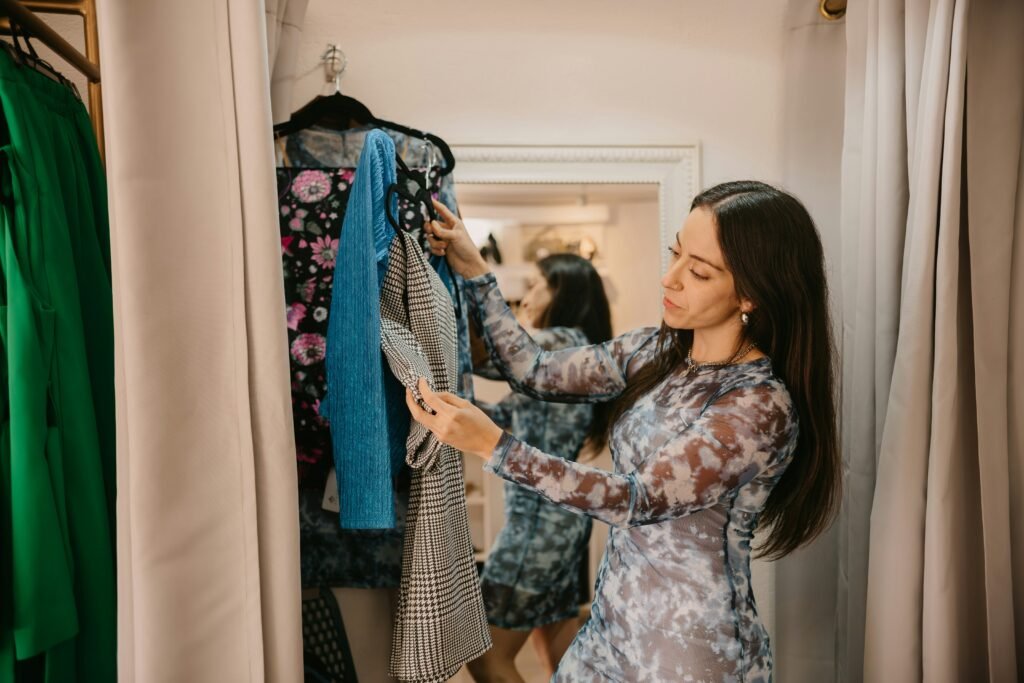
Have you ever put on an outfit you know is cute—yet somehow it still feels off? The mirror says one thing, but the energy just isn’t matching. Before you blame your body, your budget, or your closet, there’s another piece of the puzzle that rarely gets talked about: how you’re holding yourself and how you move through your day.
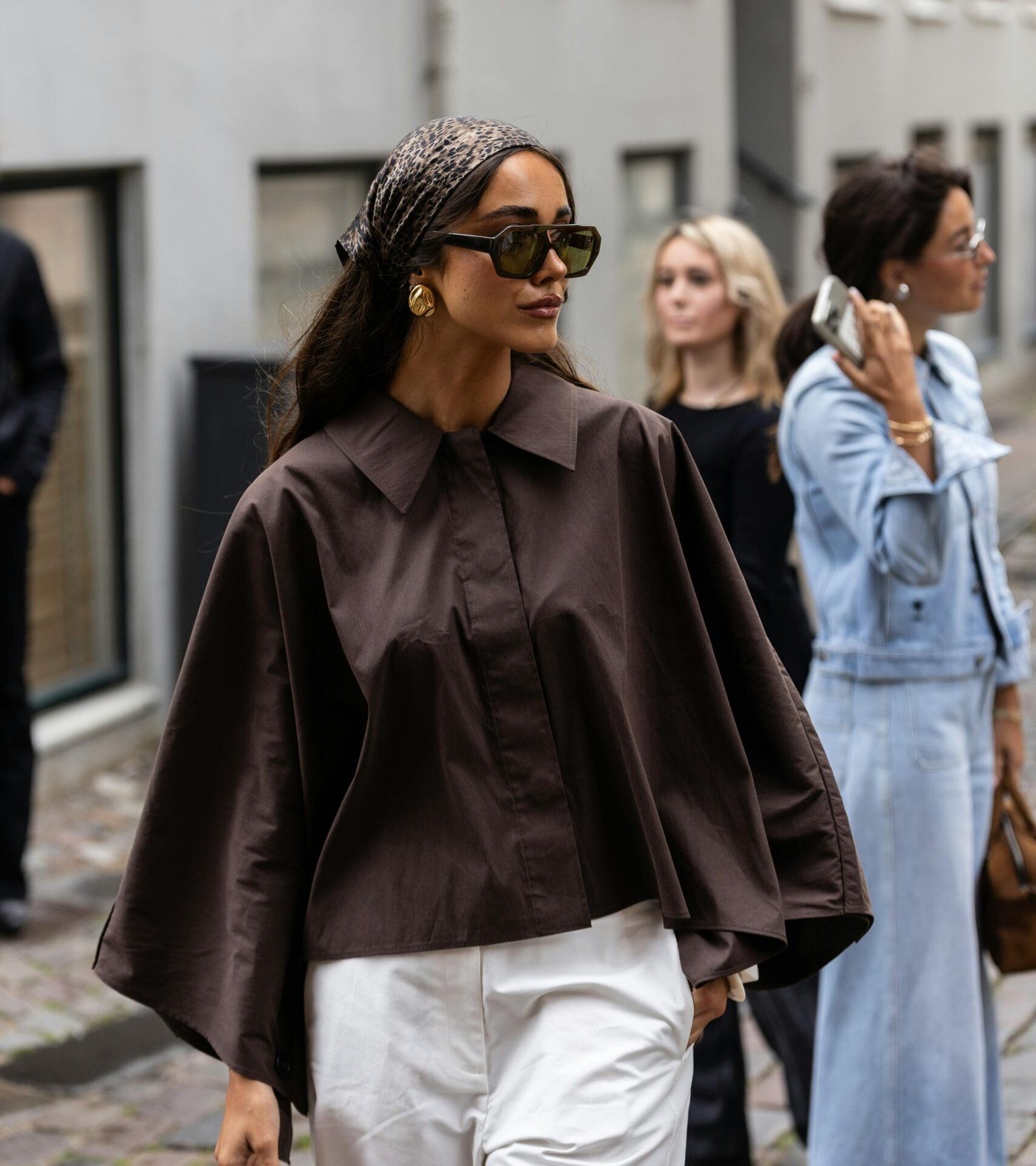
Clothes don’t exist for still moments. They aren’t meant only for mirrors or photos. They’re made to move with you—when you walk into a room, lean across a table, sit down, reach up, laugh, or slump after a long day. Your posture and movement quietly shape how fabric falls, stretches, creases, and flows. Once you notice this connection, it changes how you see style altogether.
1. Posture Changes Fit—Even When the Size Is Right
Even when an outfit technically fits, posture decides how it reads. When you stand tall and supported, clothes fall closer to their intended shape. Seams line up, fabric hangs evenly, and proportions make sense. On the other hand, slouched shoulders can cause tops to bunch at the chest, jackets to pull across the back, and necklines to cave inward.
Nothing about the garment changed—your alignment did. Suddenly, something that should feel polished looks heavy or awkward. That’s because posture creates the foundation clothes rely on.
Key insight: Clean posture creates clean lines, and clean lines make outfits feel deliberate instead of accidental.
2. Slouching Hides the Details That Make an Outfit Work
Design details matter more than we realize. Waist definition, tailoring, belts, pleats, and draping all depend on posture to show up properly. When posture collapses, those elements fade into the background. A cinched waist starts to look boxy. A sharp blazer appears oversized. A flowing dress loses the movement that gives it life.
In other words, the outfit isn’t failing—you’re just not giving it the space to do its job. Once you lift your chest slightly and let your shoulders relax back, those details reappear almost instantly.
3. Clothes Are Designed for Motion, Not Stillness
If you’ve ever felt unsure in front of the mirror but loved how an outfit looked once you started walking, this is why. Fabric responds to movement. When you move with ease, trousers drape smoothly, skirts sway naturally, and layers separate instead of clinging.
Rigid or guarded movement, however, can make even soft materials look stiff. The outfit may feel wrong, but the issue often isn’t the clothes—it’s the lack of flow. That’s also why videos and candid moments often show outfits at their best. Motion reveals what stillness hides.
4. Confidence Shows Up in the Way Fabric Behaves
Confidence doesn’t just show up in your face—it shows up in your clothes. Relaxed movement allows fabric to glide instead of pulling. Tension, by contrast, creates twisting, wrinkling, and bunching in all the wrong places.
Many people describe this as an outfit “not working,” when what’s really happening is a disconnect between the body and the garment. When your movements soften, the fabric follows suit. The whole look feels lighter, easier, and more natural.
5. Posture Is About Presence, Not Perfection
This isn’t about standing stiff or forcing confidence you don’t feel. Good posture isn’t rigid—it’s supported. Think of your head balanced over your spine, shoulders relaxed, and chest gently open. That kind of posture creates space, both physically and emotionally.
From that place, clothes fall the way they’re meant to. More importantly, you feel more grounded inside your body. When you feel present, your clothes don’t have to work as hard to look good.
6. Movement Reflects Mood—and Clothes Mirror It Back
Your emotional state shapes how you move, whether you notice it or not. When you’re tired, disconnected, or stressed, your body often folds inward. Naturally, clothes start to feel wrong or unflattering. On days when you feel calm and at ease, even simple outfits suddenly feel elevated.
Style isn’t only visual—it’s physical and emotional. Clothes reflect what’s happening inside you just as much as what’s happening in the mirror.
Style Is a Full-Body Experience
Clothes don’t create confidence on their own. You complete the outfit by how you carry yourself. The way you stand, walk, and move tells the real story—one that fabric simply echoes back.
So next time an outfit feels off, pause before changing your clothes. Take a breath. Roll your shoulders back. Move around the room. You might realize the look was already there—you just needed to meet it halfway.