PRODUCTIVITY
How to Reset Burnout When You Can’t Take a Break
By Serene Hayes
Published on January 7, 2026
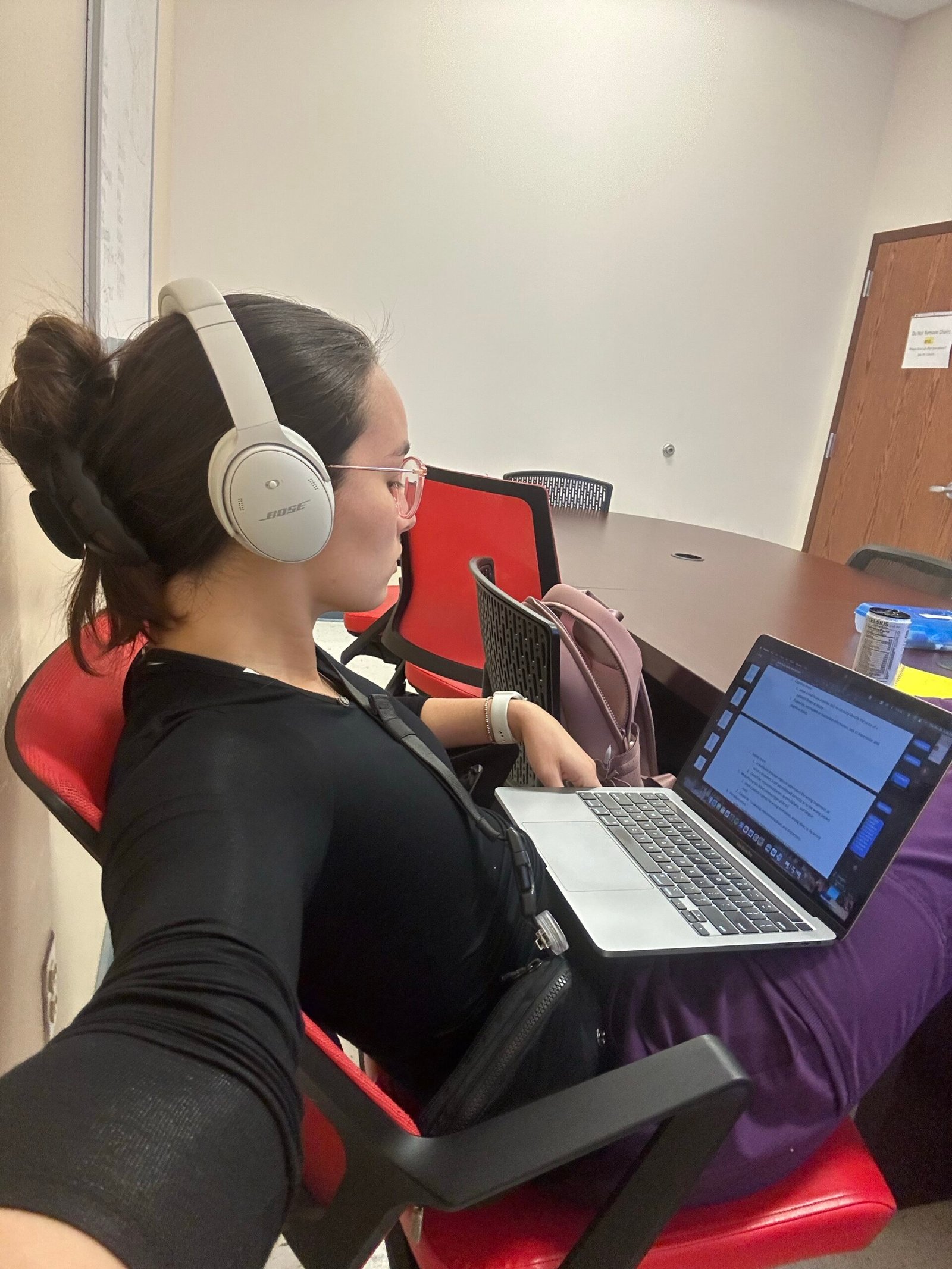
credits to: Sabrina Smith/ Dupe
Understanding Burnout: How It Starts Without You Realizing
Burnout rarely comes from laziness or lack of discipline. More often than not, it comes from caring too much for too long without enough space to recover. It’s the result of pushing past your limits repeatedly because “this is important,” or “I’ll rest once this is over.”
At first, it feels manageable. You tell yourself you’re just tired. Then it becomes harder to focus. You start procrastinating tasks you normally wouldn’t struggle with. Eventually, even simple responsibilities feel overwhelming. Burnout builds quietly, layer by layer, until your system finally says, “I can’t do this the same way anymore.”
Mental and emotional burnout is especially sneaky. Constant decision-making, emotional responsibility, pressure to perform, and the feeling that everything depends on you can drain you faster than long hours ever could. And because there’s no obvious breaking point, many people don’t realize they’re burnt out until they’re already deep in it.
How Burnout Weighs on You Mentally and Emotionally
One of the hardest parts of burnout is how personal it feels. You might start questioning your abilities, your motivation, even your identity. Tasks you once handled easily now feel heavy. Your mind feels foggy. Your patience runs thin. You may feel guilty for not being as productive as you “should” be.
Burnout also affects how you see your work. Even if it still matters to you, the joy and clarity disappear. Everything begins to feel urgent, exhausting, and never-ending. This emotional weight can make you feel stuck, like you’re failing—when in reality, your nervous system is simply overwhelmed.
Recognizing that burnout is a response to prolonged stress, not a personal flaw, is an important step toward getting unstuck.
When You Don’t Have the Option to Pause Everything
A lot of burnout advice centers around stepping away completely—but that’s not always realistic. Sometimes you still need to show up. You still need to meet deadlines. You still need to function.
In moments like this, the goal isn’t full recovery. It’s stability. It’s learning how to keep going without making things worse. This means shifting your mindset from “push harder” to “protect what little energy I have.”
You’re not trying to thrive right now. You’re trying to move forward in a way that doesn’t cost you more than you can afford to give.
Making Progress Feel Possible Again
When you’re burnt out, your brain tends to see everything as one giant, overwhelming task. That’s why starting feels so hard. Instead of focusing on finishing, it helps to focus on doing the smallest possible version of the task in front of you.
One paragraph instead of the whole document. Ten minutes instead of the entire afternoon. Starting small lowers the mental resistance and helps rebuild momentum. Often, once you begin, continuing feels a little less painful.
Progress doesn’t have to be impressive to be meaningful. Small steps still move you forward, and forward movement is one of the fastest ways to soften burnout’s grip.
Adjusting Your Environment to Support You
When your internal resources are low, your external environment matters more than usual. Sitting in the same space, under the same lighting, with the same distractions can reinforce feelings of being stuck.
Even small changes can help—moving to a different room, opening a window, playing calming background music, or changing how you sit. These shifts give your brain a subtle signal that something is different, which can help reset your focus and mood.
You don’t need to reinvent your life. You just need to reduce the friction where you can.
Working With Your Energy Instead of Fighting It
Burnout doesn’t mean you have no energy—it means your energy is inconsistent. Some moments feel clearer than others. Paying attention to those moments can make a big difference.
Use higher-energy windows for tasks that require thinking or creativity, and save low-energy moments for simpler, more repetitive work. This approach removes the pressure to perform at your best all the time and replaces it with a more compassionate, realistic rhythm.
When you stop fighting your limits and start respecting them, work often becomes less exhausting.
Calming Your System Before Expecting Focus
Burnout often keeps your body in a constant state of tension. When your nervous system is overstimulated, focus becomes nearly impossible.
Simple grounding practices—slow breathing, stretching, stepping outside for a few minutes—can help signal safety to your body. These pauses aren’t indulgent or lazy. They’re practical tools that make it easier to think clearly and continue working.
You don’t need long breaks to benefit. You just need moments of intentional calm.
Letting “Good Enough” Carry You Through
Perfectionism and burnout often go hand in hand. When you’re exhausted, holding yourself to an unrealistic standard only increases frustration and avoidance.
This is where giving yourself permission to aim for “good enough” can be incredibly freeing. Done is better than perfect. Progress matters more than polish. You can always improve things later—right now, your job is simply to move forward.
Lowering the bar temporarily isn’t giving up. It’s adapting.
Moving Forward With Compassion
Burnout is not a sign that you’re failing. It’s a sign that you’ve been strong, committed, and giving for a long time. The fact that you’re looking for ways to cope shows resilience, not weakness.
You don’t need to fix everything at once. Take the next manageable step. Protect your energy where you can. And remind yourself that this phase is temporary.
You are not broken—you’re just tired. And with patience, awareness, and small adjustments, you can get through this without losing yourself along the way.