WARDROBE
7 Shopping Mistakes Behind “I Have Nothing to Wear”
By Riley Rae
Published on February 2, 2026

Shopping for clothes feels exciting in the moment. The lights, the mirrors, the thrill of a “good deal” — it’s easy to get swept up. However, many of us walk out with bags full of clothes and still feel like we have nothing to wear. If that sounds familiar, you’re not alone.
Most shopping mistakes don’t come from bad taste. Instead, they come from habits, emotions, and quick decisions we barely notice.
1. Ignoring Comfort and Fabric Quality Because It “Looks Good”
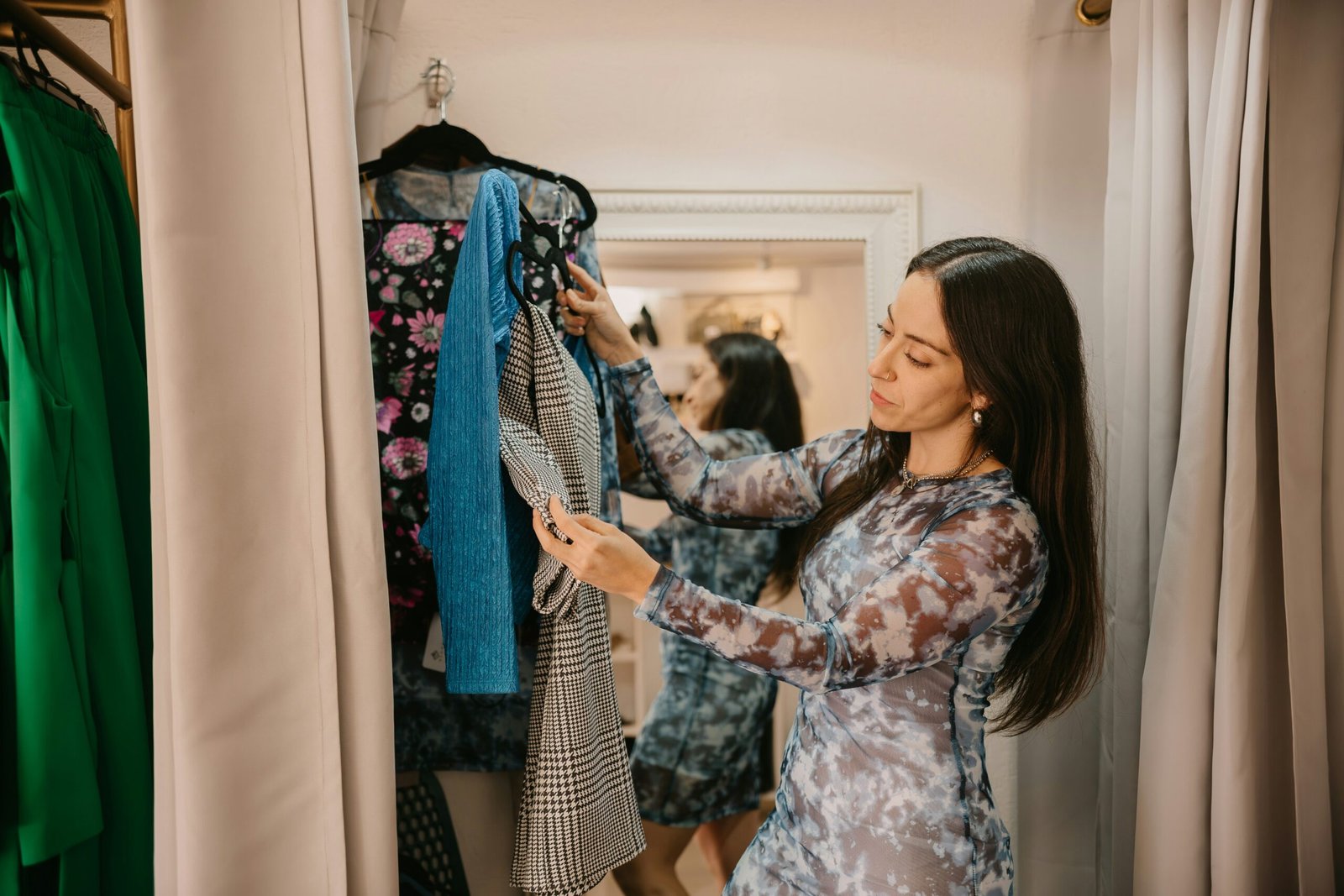
We’ve all done it. You try something on, it looks amazing in the mirror, and you ignore the fact that it feels stiff, itchy, too tight, or oddly heavy. At that moment, appearance wins.
But later? The dress stays in the closet. The top never makes it past one wear. Eventually, it becomes another “I’ll wear it someday” item.
Comfort isn’t a luxury — it’s the reason you reach for certain clothes again and again. Similarly, fabric quality affects how a piece ages, washes, and moves with your body. If something feels uncomfortable in the fitting room, it won’t magically feel better after a full day out.
A good rule: if you have to adjust it constantly while trying it on, leave it behind.
2. Chasing Trends Instead of Dressing for Your Personal Style
Trends move fast. Social media makes them feel unavoidable. As a result, many people buy clothes because they’re “in” — not because they actually feel like them.
At first, trend-driven pieces feel exciting. Then, the trend fades… and so does your interest. That’s when the regret kicks in.
Personal style, on the other hand, stays consistent even as trends change. When you dress for your vibe — your lifestyle, comfort level, and personality — you wear your clothes more often and with more confidence.
Trends can be fun, of course. However, they should support your style, not replace it.
3. Shopping While Stressed, Bored, or Emotional
Shopping often becomes a coping mechanism. After a bad day, a stressful week, or even pure boredom, buying something new can feel like a quick mood boost.
The problem? Emotional shopping usually leads to impulse buys — pieces you didn’t plan for and don’t truly need.
Later, once the emotion passes, the excitement disappears too. That’s when buyers’ remorse shows up.
Before shopping, pause and ask yourself why you’re buying right now. If the answer has more to do with feelings than function, it might be better to wait.
4. Prioritizing Price Over Quality
A low price tag feels like a win. Still, cheap clothes often cost more in the long run.
Poor-quality items lose shape, fade quickly, or fall apart after a few washes. Then, you replace them — again and again.
Quality doesn’t always mean expensive. It means paying attention to stitching, fabric, fit, and durability. One well-made piece you wear for years beats five cheap ones you avoid wearing.
Instead of asking, “Is this affordable?” try asking, “Will I still want this six months from now?”
5. Buying Clothes That Look Good — But Don’t Feel Like ”You”
This is one of the biggest reasons closets feel full yet useless.
You see a stunning outfit. It looks great on the model. It even looks good on you. So you buy it. But when it’s time to get dressed, you skip it every time.
Why? Because it doesn’t match your lifestyle, confidence level, or personality.
There’s nothing wrong with experimenting. However, if a piece requires a “special mood” or a completely different version of you, it probably won’t get worn.
Clothes should support who you already are — not who you feel pressured to become.
6. Not Checking How Items Mix With What You Own
Another common mistake is buying standalone pieces. They look nice alone but don’t work with anything else in your wardrobe.
As a result, you end up with statement items and no complete outfits.
Before buying, mentally style the piece with at least two items you already own. If you can’t, it may not be as practical as it seems.
Clothes earn their place when they create multiple outfits, not just one good photo.
7. Ignoring Fit and Assuming Tailoring Isn’t Worth It
Many people walk away from great pieces because the fit isn’t perfect off the rack. Others buy ill-fitting clothes and hope they’ll “work somehow.”
Fit changes everything. Even simple tailoring can make affordable clothes look high-end and intentional.
If something fits well in the shoulders, waist, or hips, small adjustments can transform it. On the flip side, if the core fit feels wrong, tailoring won’t save it.
Knowing the difference saves money and frustration.
Shopping Smarter, Not Less
Shopping mistakes don’t mean you lack style. They usually mean you haven’t slowed down enough to shop with intention.
When you prioritize comfort, quality, personal style, and emotional awareness, your wardrobe starts working for you. Over time, you buy less — yet wear more.
And that’s the goal: a closet that feels like home, not a storage unit.