PRODUCTIVITY
6 Reasons Why You’re Busy With Everything Except Your Priority
By Serene Hayes
Published on January 10, 2026
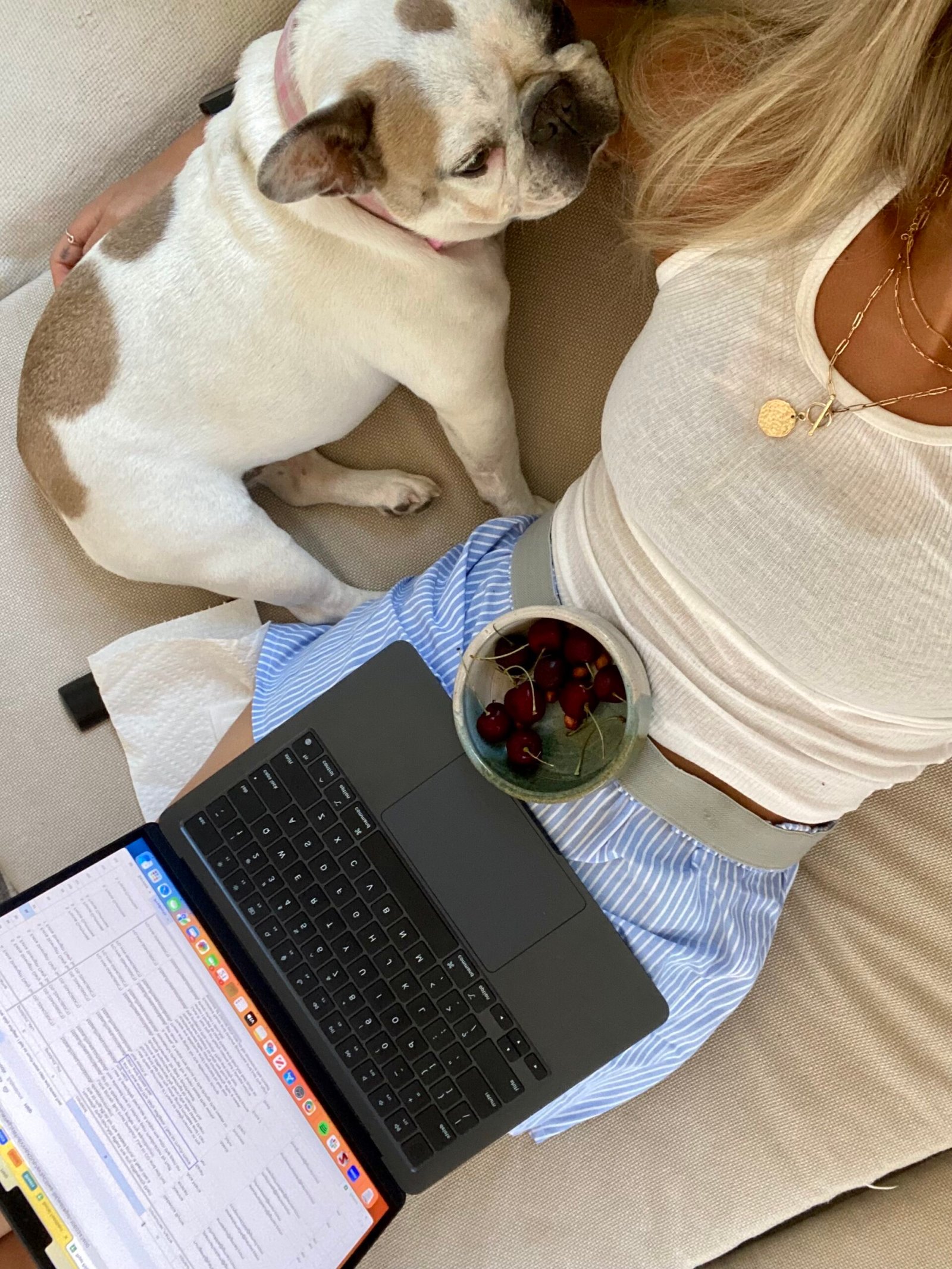
credits to: Emily Patnaude / Dupe
You sit down with every intention of working. The tab is open, the deadline is looming, and you’re ready to focus. Then, out of nowhere, the dust on your bookshelf catches your eye. The floor could use a quick sweep, and that drawer you haven’t opened in years? Suddenly, it feels like the perfect time to tackle it. Within minutes, you’re deep-cleaning your room, reorganizing your apps, and replying to emails you’ve ignored for weeks—doing everything except the one thing you actually planned to do.
It feels productive, even impressive. Still, underneath it all is a quiet question: why does motivation show up everywhere except where it’s needed most?
This pattern is incredibly common, especially for anyone whose work is largely mental. Students, creatives, and professionals who spend long hours thinking, planning, or staring at screens know it well. We’re busy, often overwhelmed, and constantly trying to stay productive. Yet somehow, our efforts turn toward reorganizing our physical space instead of making progress on what actually matters.
It’s tempting to label this as procrastination or a lack of discipline. However, that perspective misses the bigger picture. The sudden urge to clean isn’t about laziness at all. More often, it’s a quiet response to pressure, mental overload, and the discomfort of starting a task that feels heavy, important, or mentally demanding.
1. You gravitate toward small wins when the real task feels overwhelming
Facing a large or unclear task can feel intimidating, so your brain naturally searches for something easier. Tasks like cleaning, organizing, or replying to old messages seem manageable. You can see exactly how to start and exactly how to finish, and completing them gives you an immediate sense of accomplishment.
In contrast, your actual work might take hours, involve uncertainty, or require creative energy you’re not sure you have. That’s why your brain often chooses the path where success feels guaranteed. You’re not avoiding productivity—you’re simply opting for the kind that feels safe.
2. Cleaning feels urgent because it gives you a sense of control
Deadlines and looming responsibilities can make your workspace feel unbearable. Cleaning offers a sense of control when your work feels chaotic. Tidying your desk or rearranging your room creates visible order, which can make your mental load feel lighter.
You might tell yourself that once the space looks better, you’ll be able to focus. Sometimes that’s true, but often cleaning simply provides a socially acceptable way to delay discomfort. Either way, it’s your brain trying to regain calm before tackling something stressful.
3. Starting is scarier than failing, and that’s what you’re really avoiding
Many people assume procrastination comes from fear of failure, but more often, it comes from fear of starting. Taking the first step forces you to confront uncertainty. You don’t yet know if your work will succeed, how long it will take, or whether you’ll get stuck halfway through.
In comparison, organizing a drawer or clearing out files doesn’t pose any emotional risk. It doesn’t challenge your confidence, and it lets you stay busy without feeling exposed. Instead of facing the uncomfortable first step, you delay it by doing something that feels productive and safe.
4. Productive procrastination feels responsible, which makes it harder to stop
The sneaky part of this habit is that it doesn’t look like procrastination. You’re not scrolling endlessly or doing nothing; you’re improving your space, schedule, or life in small ways.
Because it feels useful, your brain allows the behavior to continue. You convince yourself you’ll start your real work once you “just finish this one thing.” Before long, an hour passes, and the important task is still waiting.
5. Your brain is chasing quick dopamine, not long-term results
Completing small tasks provides instant gratification. Folding laundry, responding to emails, or organizing photos triggers a quick dopamine hit. Big projects, in contrast, offer delayed rewards and require sustained effort, which is especially hard when you’re tired or stressed.
This doesn’t mean you don’t care about your work. It simply means your brain is asking for relief while still wanting to feel productive.
6. Avoidance is often your brain asking for a break
If you notice productivity everywhere except where it matters, it’s usually a sign that the real work feels overwhelming. Maybe you’re unsure where to start, the expectations feel high, or your mental capacity is drained.
None of this means something is wrong with you—it means you’re human. Sometimes the solution isn’t forcing yourself to “just focus.” Instead, break the task into smaller steps, lower the pressure, and make it feel more approachable. Once that happens, motivation tends to return—without reorganizing your entire room first.